From Rest Cure to Rest Day: A Short History of Taking Time Off
Rest cure to rest day: explore how ideas about recovery shifted and choose time off that fits your needs, without treating one approach as universal.
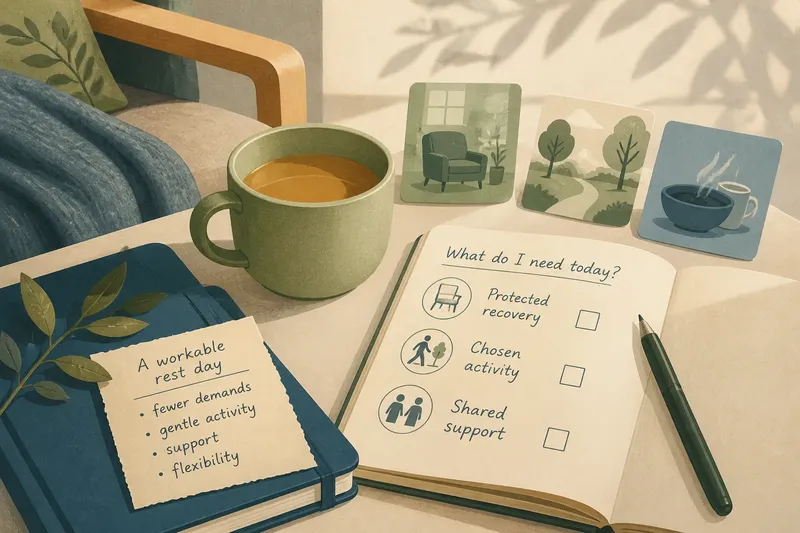
The common mistake is treating one prescription as suitable for everyone; the cost is time off that feels like another demand instead of a chance to recover. The shift from rest cure to rest day is not a simple story of old ideas giving way to better ones. It raises a practical question: who defines rest, what is it meant to do, and how much choice does a person have?
Rest cure history
In nineteenth- and early twentieth-century medical writing, “rest cure” was used for approaches that could include extended bed rest, restricted activity and close supervision. The term covered different practices rather than one uniform treatment. Medical and social expectations shaped how care was prescribed, and some accounts describe women’s distress being interpreted through narrow ideas about health and behaviour. Those broad claims deserve careful source-checking before being applied to particular people or treatments.
The general premise was that recovery might call for a break from ordinary demands. That premise remains familiar: people may need reduced activity after illness, injury, exhaustion or difficult circumstances. But rest is not synonymous with lying still, and a rigid prescription may not fit a person’s needs, preferences or medical situation.
When considering any account of rest cures, ask who made the decision and what choices the person receiving care had. Some people may welcome structured support when unwell; others may find enforced inactivity isolating or distressing. Neither response makes rest a virtue or a failure. It shows why the form of recovery matters.
Rest day choices
Today, “rest day” often means a planned pause from work, exercise or routine demands. It might be a day without formal training, a protected stretch away from work, or a weekend with fewer commitments. The idea is commonly framed as a choice made by the person taking the break, rather than a treatment imposed on them.
Choice brings flexibility, but it can also create pressure. Rest may be treated as a tool for becoming more productive later, or as a task to perform correctly. A day off filled with errands, messages and obligations can leave little room to feel restored. The label matters less than what the time actually asks of you.
Rest is like a chair: one shape cannot support every person in every situation. A quiet afternoon may suit someone depleted by social demands, while a gentle outing may help someone who feels confined. Ask whether an approach meets the need at hand without adding avoidable strain.
Three rest approaches
Time off can focus on reducing demands, choosing gentle activity, or accepting support. These approaches can overlap; none is a standard to meet. Notice whether your main need is fewer demands, a change of pace or help from other people.
Protected recovery
Keep demands low by postponing optional tasks, asking someone to handle a practical errand or leaving the calendar open. This may suit a person who needs fewer decisions and a predictable day. An empty day does not automatically feel restful, though: if inactivity makes you restless or lonely, consider gentle structure. For health concerns, ask a qualified professional what level of rest is appropriate.
Chosen activity
A walk in a familiar park, uncomplicated cooking or a hobby can provide a change from usual duties without requiring complete inactivity. This may suit someone who feels mentally worn down but still wants an activity they genuinely enjoy. Keep the plan adjustable; a leisure activity can become another obligation if it is packed too tightly or arranged mainly to please others.
Shared support
Rest can include company or practical help. A friend might bring a meal, a relative might take over a household task, or someone might join you for a quiet visit. Social contact takes energy, however, and asking for support can feel complicated. Make a specific request that is easy to answer, such as asking a friend to collect groceries.
Questions for choosing rest?
What kind of tiredness am I feeling?
Notice whether you feel physically drained, overloaded by decisions, lonely or eager for a break from routine. These are clues, not diagnoses, and several may apply at once.
How much choice do I have?
Work, care responsibilities, finances and health can limit what a day off looks like. Choose a pause that fits those constraints, such as protecting a meal break or asking to swap one task, rather than judging yourself against an ideal full day away.
What would make this time restorative?
Be specific: fewer conversations, a slower morning, a change of surroundings or help with one responsibility may matter more than a grand plan. Pick the smallest change that addresses the need you have noticed.
Can I adjust the plan?
Decide in advance what you can drop, shorten or postpone if the plan becomes tiring. Flexibility lets the break respond to changing energy and unexpected needs.
A workable rest day
Use these checks to choose a form of rest that fits the day. Each observation points to a decision, with an alternative if the first option does not suit:
- If work notifications keep interrupting your break, silence them or set a clear reply time; if you must remain reachable, tell a colleague which urgent channel to use and ignore non-urgent messages.
- If the calendar contains optional errands, postpone one or more; if an errand cannot wait, ask someone else to handle it or combine it with an existing trip.
- If a completely open afternoon feels uncomfortable, add one gentle activity such as a short walk; if that feels tiring, return home and leave the rest of the time unplanned.
- If company sounds comforting, invite one person for a quiet visit; if social contact feels draining, send a message explaining that you need time alone and arrange another day.
- If household tasks are weighing on you, ask someone to take one specific task; if no help is available, choose which task can wait and set aside the rest.
- If pain, illness or a health condition affects what you can do, pause and seek advice from a qualified professional; if the concern is not urgent, make a note of your symptoms and questions for an appointment.
Say you have a free afternoon after several demanding meetings and feel mentally spent. You silence work notifications, ask your housemate to collect a parcel, and keep the rest of the afternoon open. If the quiet feels welcome, you stay in; if it starts to feel isolating, you take a gentle walk nearby. The result is a plan with fewer interruptions and a clear alternative, not a promise that you will feel completely renewed.
Keep expectations modest. Time off need not erase stress, solve every practical problem or make the next workday effortless. It can still be worthwhile if it gives you more say over your attention, activity or company.
The history of the rest cure and the present-day rest day reflect different ideas about authority and recovery; neither supplies one model for everyone. For your own rest day, name the need, choose the lightest workable response and leave room to revise it. If exhaustion or distress persists or interferes with daily life, consult a healthcare professional. That makes the search for rest cure to rest day history useful in practice: it reminds you to consider not only what rest looks like, but who gets to choose it.